Start with the working height and where the lift can sit
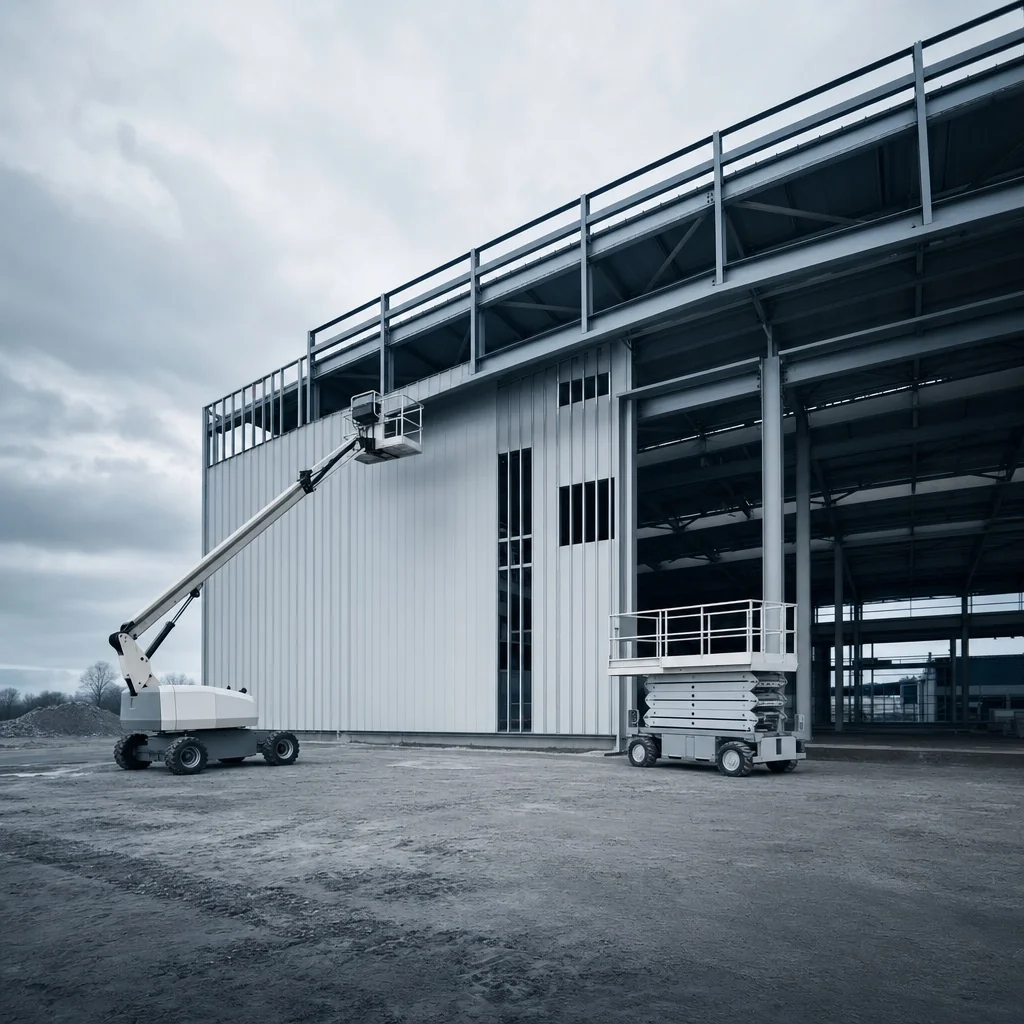
Measure the task height and determine if the machine can sit directly under the work or must bridge an obstacle. Scissor lifts provide straight‑up reach when the platform can be positioned below the task, common in galleries, performance spaces, warehouses, and medical facilities. If you need up‑and‑over reach around seating, mechanical runs, or parapets, compare boom options at /aerial-lift-rental/.
Sarasota conditions that change the selection
- Humid, coastal air increases corrosion risk for equipment stored or used near the shoreline; indoor electric units with non‑marking tires and sealed components suit finished floors.
- Flat terrain with poorly drained soils after storms can undermine small tires; outdoor work often favors rough‑terrain scissors with larger tires and higher ground clearance. See /rough-terrain-scissor-lift-rental/.
- Art and performance venues have sensitive flooring; compact electric slab scissors disperse weight and protect surface finishes. Explore /electric-scissor-lift-rental/.
Key constraints that narrow the category
- Floor load and access width: Confirm doorway, elevator, and aisle dimensions. Compact electrics fit tighter indoor paths; larger outdoor models need wider gates and staging areas.
- Platform size vs. task setup: Lighting relamps and banner changes need space for materials, but oversizing the platform can exceed floor ratings in older interiors.
- Power source and ventilation: Indoor work typically calls for electric drives to avoid exhaust; exterior renovation can rely on diesel or hybrid power.
When a scissor lift is not enough
If the task requires reaching over fixed seating, canopy edges, or landscaped features, compare articulating and telescopic booms at /boom-lift-rental/. For unloading or staging materials at height, a /telehandler-rental/ or /forklift-rental/ may be the better match.
Nearby work patterns
Maintenance cycles in local distribution buildings and hospitality spaces often happen off‑hours. Measure ceiling height, note floor finish type, and identify any outdoor transitions between buildings that might require switching from slab to rough‑terrain units.