Local factors that change the plan
Sarasota’s humid, rainy periods and flat, sandy soils can create soft spots and shallow standing water. Near the coast, salt air adds corrosion concerns for exterior work. These conditions influence:
- Ground clearance and tire configuration for travel over wet or uneven approaches.
- Wheelbase and turning radius for tight loading docks and service courts.
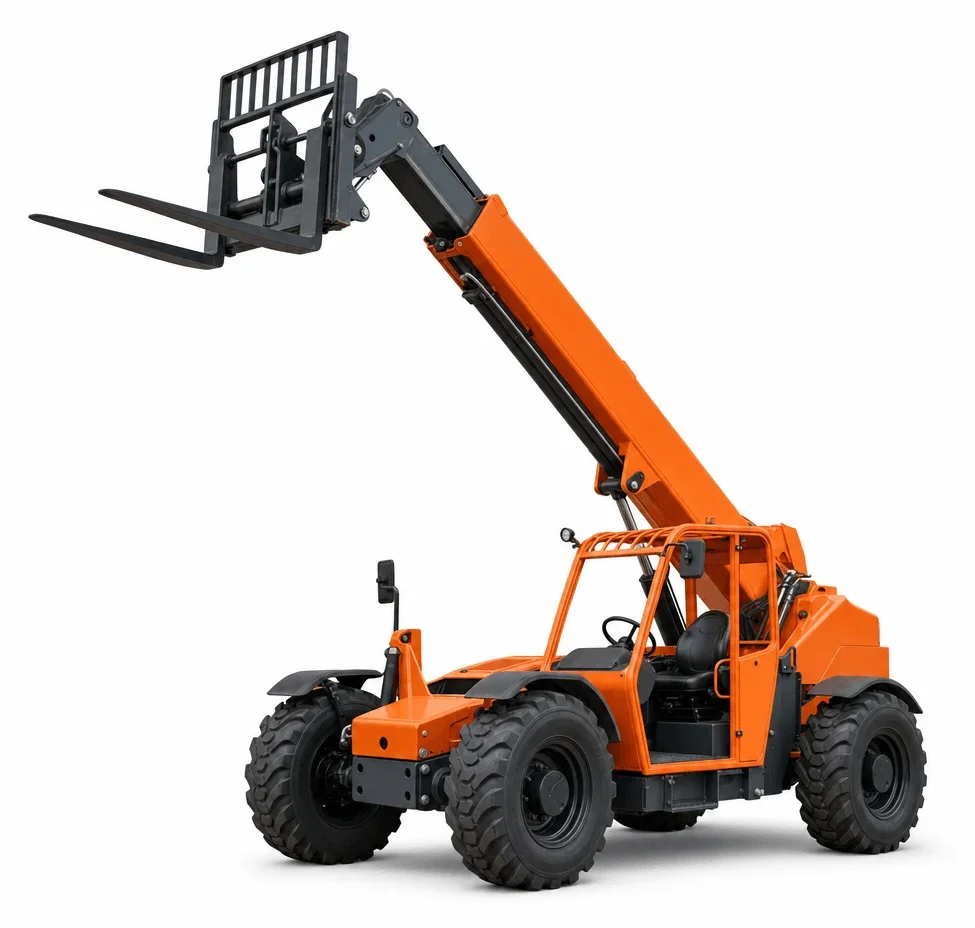
- Boom reach needed to set materials on elevated decks without driving onto sensitive slabs.
Sizing by placement, not just weight
- Maximum lift height and forward reach to the landing point determine class selection.
- Load center and attachment choice affect the effective charted capacity at reach.
- Overall width and height matter when passing through site gates, porticos, or temporary fencing lines.
If the site has solid slab and the work is purely horizontal stock movement, a forklift may handle it more efficiently. For elevated maintenance rather than placing pallets or bundles, consider boom lifts or aerial lifts.
Sarasota use cases
- Placing glazing crates or façade bundles over landscaping beds without driving onto decorative pavers.
- Staging roofing materials to upper levels on coastal properties where setbacks limit truck access.
- Handling mechanical units at healthcare or industrial sites with compact service yards.
Actual site conditions, the selected unit’s instructions, and site procedures govern exterior and elevated work.
Related site support
- Perimeter control: Temporary fencing and barricades
- Onsite storage: Storage containers
- Power for tools and lights: Generators and light towers