Sarasota conditions that influence selection
Local exterior projects meet two common constraints: soft ground after rainfall and salt air near the waterfront. Plan around:
- Firmness of sandy soils, especially on lots with poor drainage.
- Exposure to wind and spray around open coastal fronts.
- Long, straight approaches common at industrial sites and distribution yards.
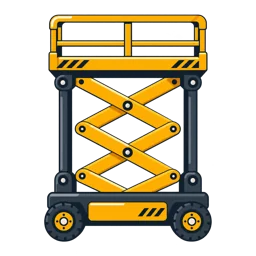
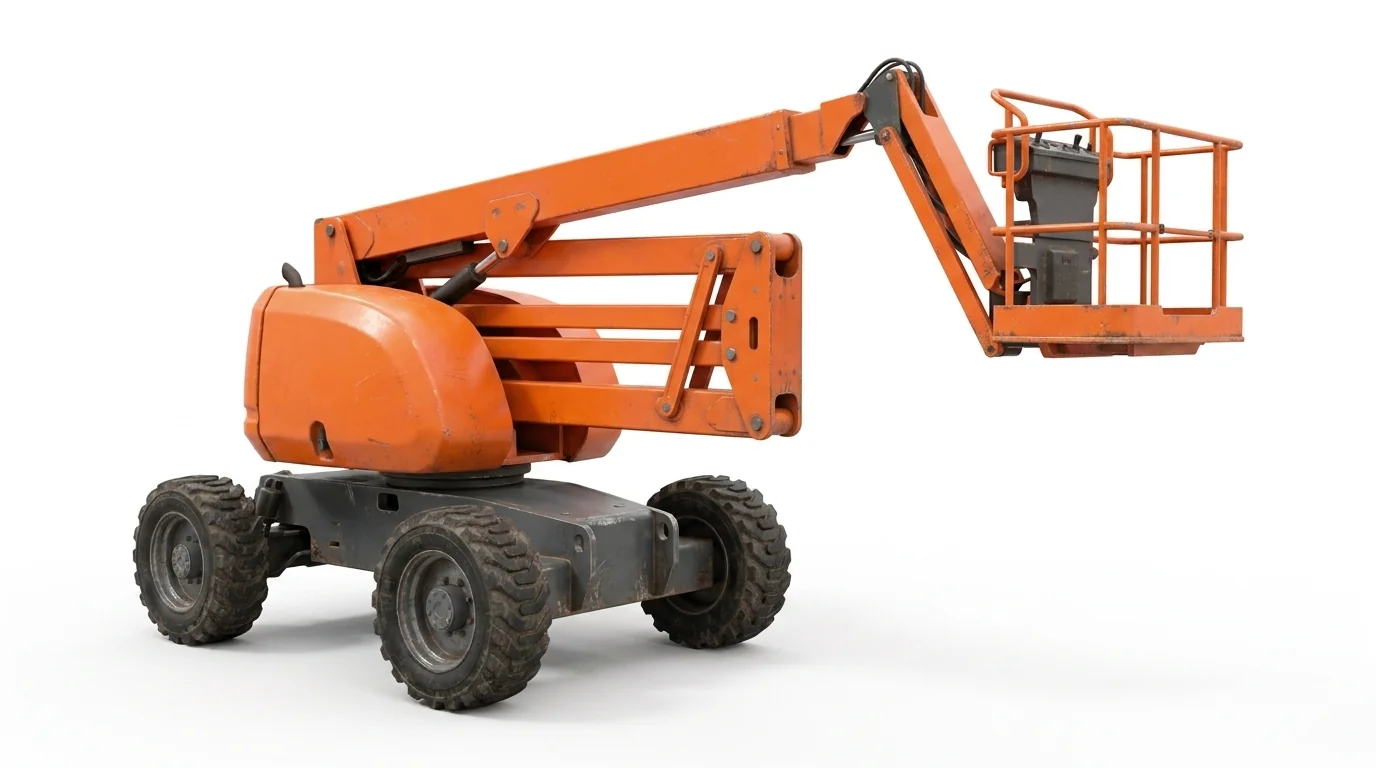
When ground may pump under load, rough-terrain chassis with appropriate tires and ground clearance are typical for outdoor straight-boom tasks. Indoors or on finished surfaces, consider an electric scissor or vertical mast instead.
Measuring the work geometry
- Height: measure from the intended parking location, not the building base.
- Horizontal setback: obstacles like curbs, landscaping, retention areas, or utility lines may push the machine farther back.
- Platform positioning: straight booms excel when the landing point is directly in front without needing to snake around objects.
If obstacles block a direct path—awnings, balconies, canopies—an articulating boom usually places the basket more efficiently.
Typical Sarasota use cases
- Exterior cladding, painting, or glazing on long, uninterrupted elevations.
- Pole light maintenance across large parking areas at hospitality or retail sites.
- Industrial equipment access where the approach is open and the work point is high and out front.
Actual site conditions, the selected unit’s instructions, and site procedures govern exterior and elevated work.
Related categories
- Up-and-over access: Articulating booms
- Platform work on slab: Electric scissor lifts
- Broader overview: Boom lifts and Aerial lifts