Determine size, doors, and access frequency
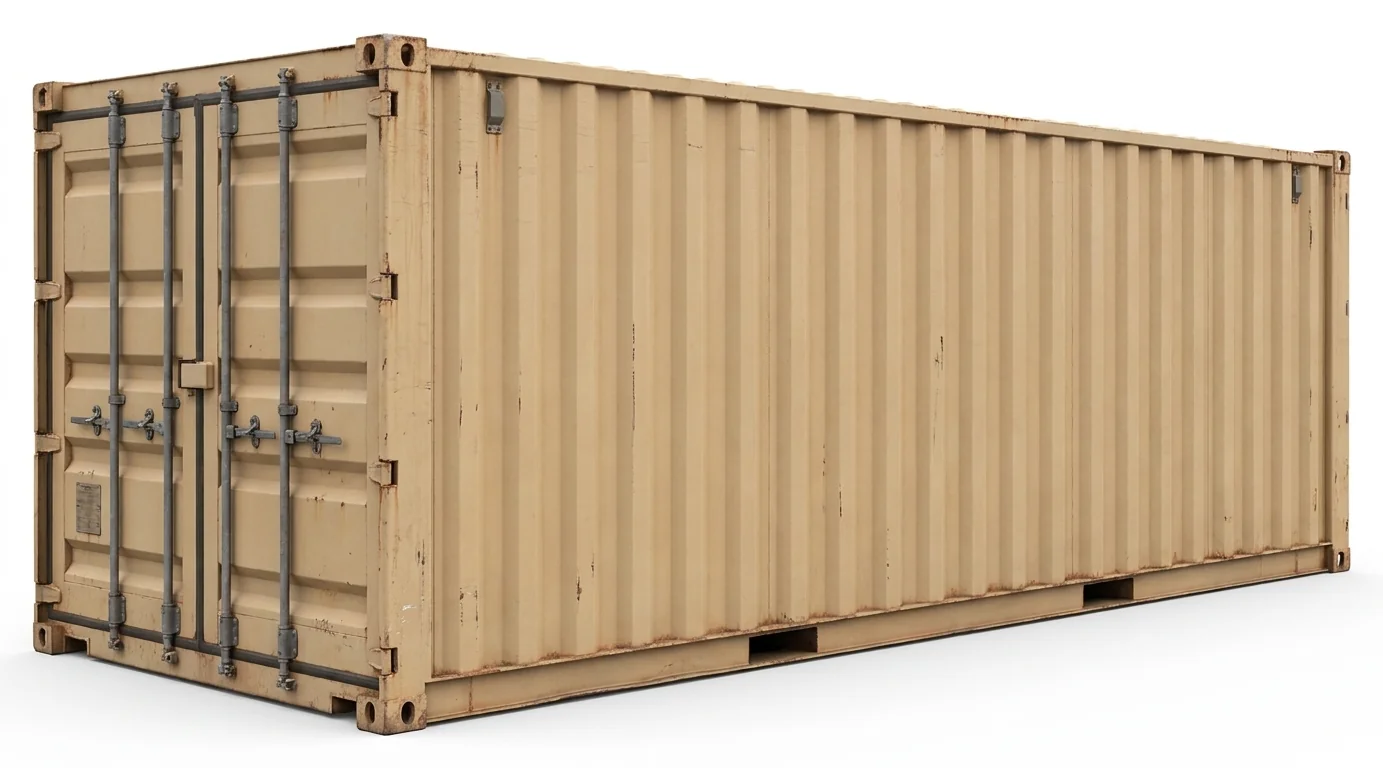
Start with material length, pallet count, and whether side or double-door access reduces handling. Frequent daily access near arts venues or hotels may call for wider doorways and bright interior lighting powered via a nearby panel or a unit from /generators-light-towers-rental/.
Placement surface and leveling
- Will the container sit on pavement, compacted base, or soft sand?
- Can trucks approach without cutting ruts after rain?
- Is there room to set the box level so doors don’t bind?
Sarasota’s flat, sandy soils can shift under weight, especially near waterfront areas. A level, well-drained pad helps maintain door alignment and reduces moisture tracking into stored equipment.
Approach route and turning radius
Measure gate widths, overhead branches, and any tight bends through service alleys behind cultural or hospitality properties. Note low eaves and awnings near loading areas. If staging near ongoing performances or guests, plan a delivery window that avoids congestion and preserves clear emergency paths.
Security and environment
Salt air can affect locks and hinges over time. Consider protected placement out of direct spray and set back from flood-prone spots. If storing finishes, textiles, or electronics for venues and galleries, draft an airflow and moisture plan to limit condensation and protect cases.
Integration with site work
Keeping lifts, lighting, and tools close reduces push distance. If you’re also using aerial equipment for ceiling work, align container placement with the travel routes for /electric-scissor-lift-rental/ or /vertical-mast-lift-rental/ so crews don’t cross guest entrances.